
Guide - KC Garage Door Repair
How to Choose a New Garage Door (Without Getting Upsold)
A new garage door is one of the highest-visibility exterior changes you can make to a house — and one of the easier ones to get talked into a more expensive option than you needed. Here is the honest, no-marketing walk-through of how to choose.
Most homeowners shop for a new garage door once or twice in their life, and the catalog is set up to make a more expensive door look like the obvious choice. The decisions that actually matter — in roughly the order they matter — are size and configuration, material, insulation, style, and windows. Opener pairing matters too, and is usually the easier decision once the door itself is chosen.
Start With What the Opening Is
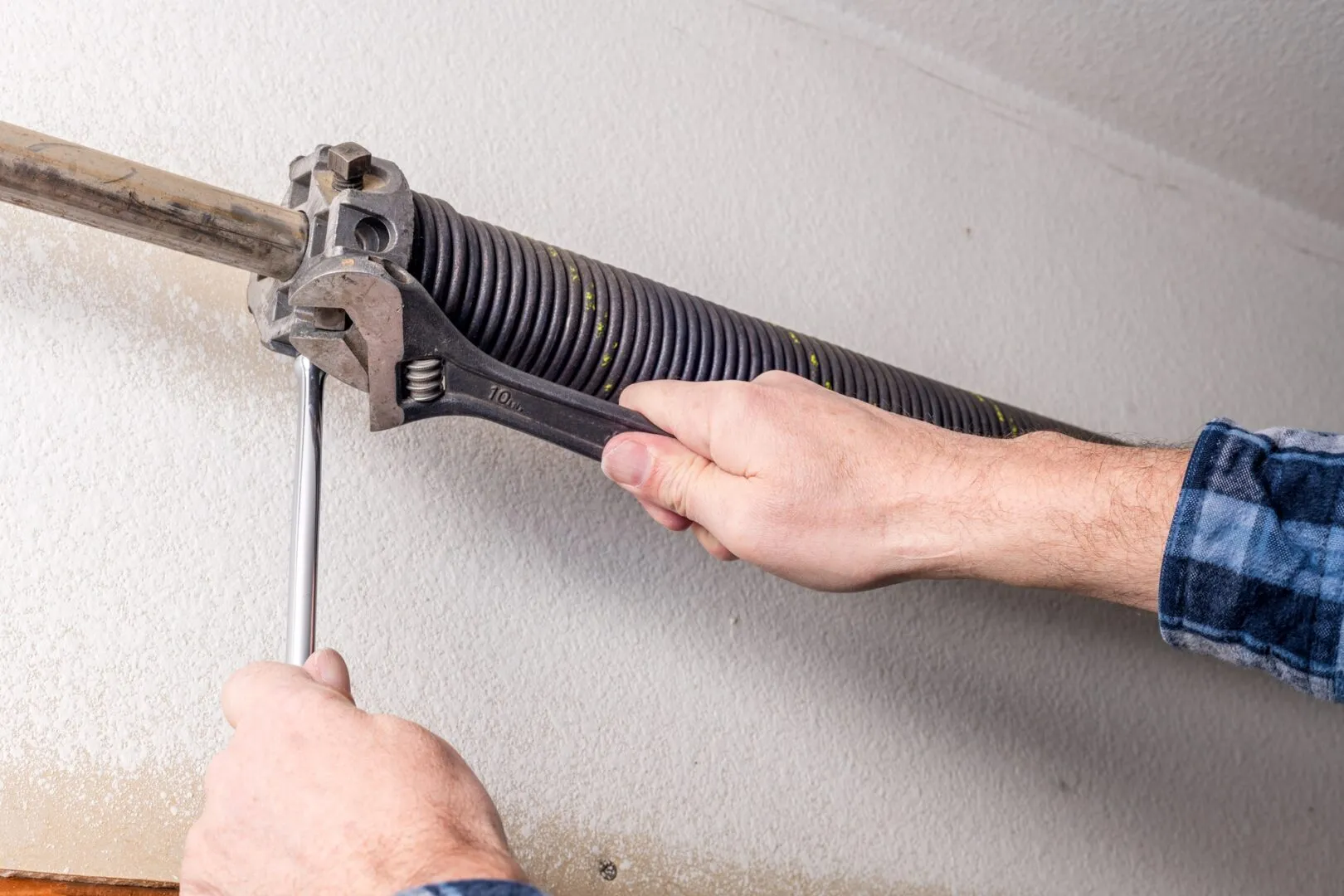
Before you fall in love with a look, measure the rough opening and note whether you have a single-car, double-car, or oversized opening. This decides spring sizing, cable sizing, opener sizing — basically every other decision. A double-car door is also a different conversation for balance and safety than two single-car doors; either is valid, they just behave differently.
- Single-car (~8–10' wide)
- Standard double-car (~16' wide)
- Oversized / 3-car / RV (18'+, taller headroom)
- Match the existing opener's horsepower or upgrade alongside

Material: Steel, Wood, Composite, Aluminum/Glass
Steel is the dominant residential door material and for good reason — it is durable, comes in a huge range of styles, and is the most cost-effective option for most homes. Real wood looks beautiful and adds real weight (literally) to the door system; it also wants periodic refinishing and is a bigger investment to replace. Composite / wood-look doors split the difference: the look of wood without the maintenance, but lighter than real wood. Aluminum-and-glass full-view doors are striking on the right modern home but are not a fit for every house, and they show fingerprints.
- Steel — workhorse: durable, broad style range, broadest price range
- Wood — premium look, real maintenance, real weight (heavier opener + springs)
- Composite / wood-look steel — popular middle ground (look without the upkeep)
- Aluminum + glass full-view — bold modern look, narrower style fit

Insulation: Real Question, Not Always 'Yes'
Insulated doors are pitched hard and they make a real comfort difference IF the rest of the garage is also reasonably tight (walls insulated, weather seals intact, the man-door from the garage to the house properly sealed). They are mostly wasted on detached, unconditioned, uninsulated garages — the door is not where the cold is getting in. See our insulated doors & KC weather guide for the honest breakdown of when the R-value upgrade pays back.
- R-6 to R-9: light insulation / noise damping
- R-12 to R-13: real step up for attached garages
- R-16+: workshops / conditioned-space garages
- Detached / unconditioned garage — usually skip the upgrade

Style: Match the House, Not the Magazine
The style that looks best is the one that matches the architecture of the house, not the one on the cover of the catalog. A carriage-style door looks great on a craftsman or traditional home and odd on a mid-century modern. A full-view glass door looks striking on a flat-roof modern house and out of place on a colonial. The pictures in the showroom are sized so every door looks great; ask to see images of the door installed on a house with similar architecture to yours before deciding.

Windows or No Windows
Windows are the single fastest way to change the look of a door, and they let real light into the garage — which matters more than people expect, especially on east/west-facing doors. The trade-offs: windows can let in heat in KC summers (UV-treated glass helps), they are an additional cost, and they are something to clean. Frosted/obscured glass is a nice compromise for privacy without giving up the light.
Pair the Right Opener
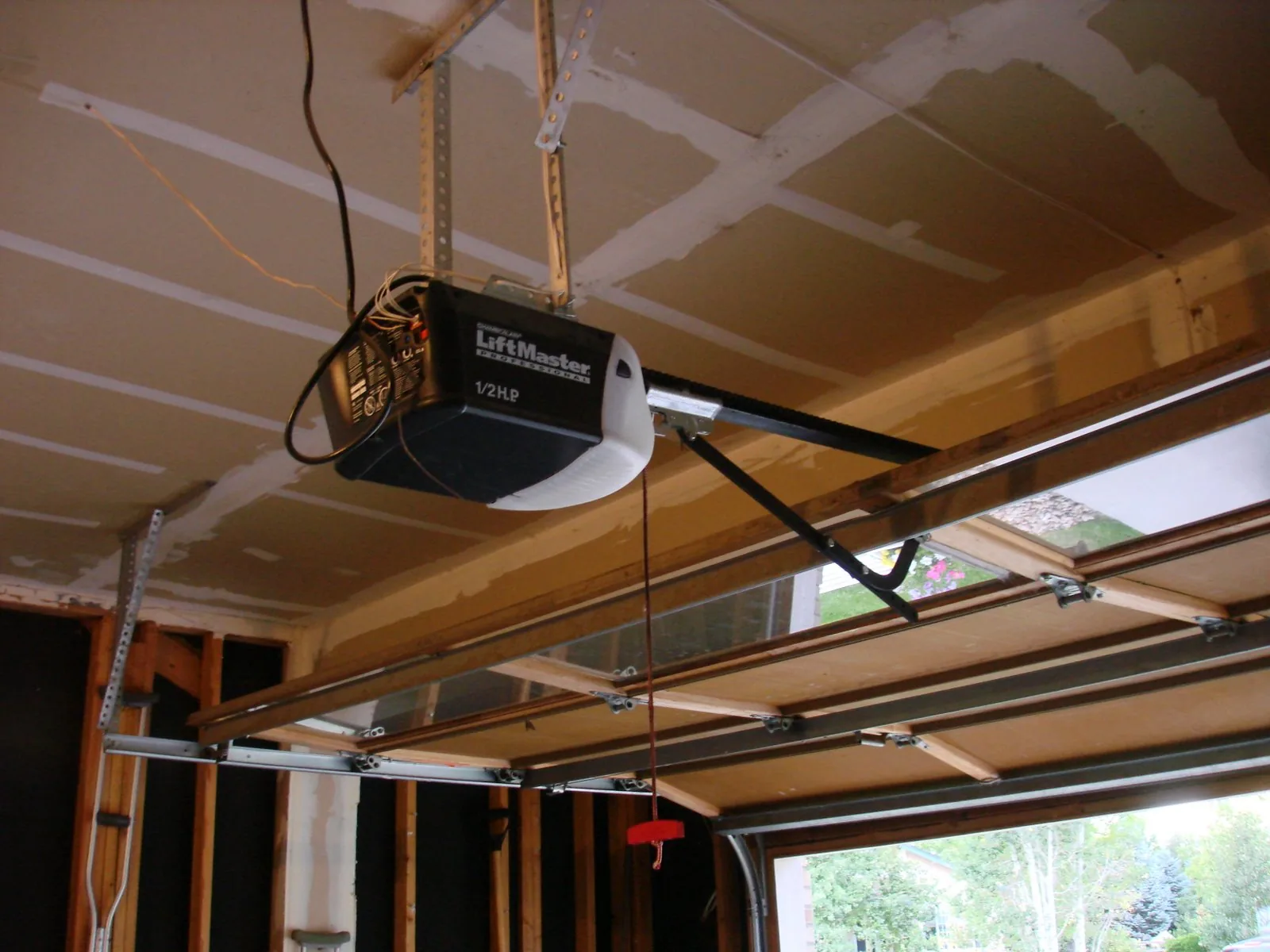
If you are replacing the door, take a hard look at the opener too. A heavier insulated door wants an opener sized for it. A modern belt drive will be dramatically quieter than the chain drive that came with the house in the 90s, and it adds smartphone access, keyless entry, and battery backup so the door still works during a power blip. Jackshaft (wall-mounted) openers are excellent for high-ceiling garages where you do not want the rail eating headroom.
Related Services
You Might Also Need
FAQ
New Door — Quick Answers
Is a more expensive door actually better?
Sometimes. Often the price step is windows, real wood vs. composite, or a higher R-value — and whether those are worth it depends on your house. The marketing always implies the more expensive door is the better choice; the real answer is the door that fits your garage, your house style, and how the space is used.
Steel or composite — which lasts longer?
Both, properly cared for, can outlast the rest of the house. Steel is most cost-effective and has the widest style range. Composite (wood-look steel) wins on style for the houses where it fits and is much lower maintenance than real wood. The 'lasts longer' question is mostly about construction quality and care, not the material alone.
Do I need to replace my opener with the new door?
Not always. If your existing opener is sized correctly for the new door's weight and still operating cleanly, it is fine to keep. If the new door is heavier (insulated vs not) or your current opener is on the older / louder end, it is worth pairing — the noise improvement alone is meaningful, and modern features (Wi-Fi, battery backup) are real upgrades.
Online Booking
Book Your Garage Door Service Online
Pick a time that works for you — residential or commercial. Prefer to talk it through? Call or text (913) 662-3939 for same-day and emergency service.