
Guide · KC Garage Door Repair
Insulated Garage Doors and Kansas City Weather
KC swings from single-digit winters to triple-digit summers, and the garage takes the full hit. Here is the honest, no-marketing version of when an insulated door actually pays back, when a non-insulated door is fine, and what 'R-value' really means on the box.
Insulated garage doors get pitched hard, and a lot of the pitch glosses over the simple test: is the garage attached, is anything important (a workshop, an office, a kid's play space) using the garage, and are the walls already insulated? If the answer to all three is yes, an insulated door is one of the higher-payoff comfort upgrades in a Kansas City home. If the garage is a detached parking box you visit twice a day, the math is much less compelling.

When an Insulated Door Is Genuinely Worth It
Three honest scenarios where the upgrade pays for itself in comfort, even before the small utility-bill effect:
- Attached garage with finished space above (bonus room, primary bedroom) — the door is the biggest cold-air leak you have in January
- Workshop, home office, gym, or band practice space in the garage — non-insulated steel doors radiate cold and heat like a giant single-pane window
- Garage walls and ceiling are already insulated — anything you spend on those is partially undone by an un-insulated door

When You Probably Don't Need It
And the cases where an insulated door is mostly a sales pitch:
- Detached garage you walk to a few times a day — the door is closed almost all of the time anyway
- Garage is unfinished and uninsulated everywhere else — the door isn't the leak, the rest of the structure is
- You park and leave — no time-spent-in-the-garage benefit to recover
How to Read the R-Value Sticker (Without Being Misled)
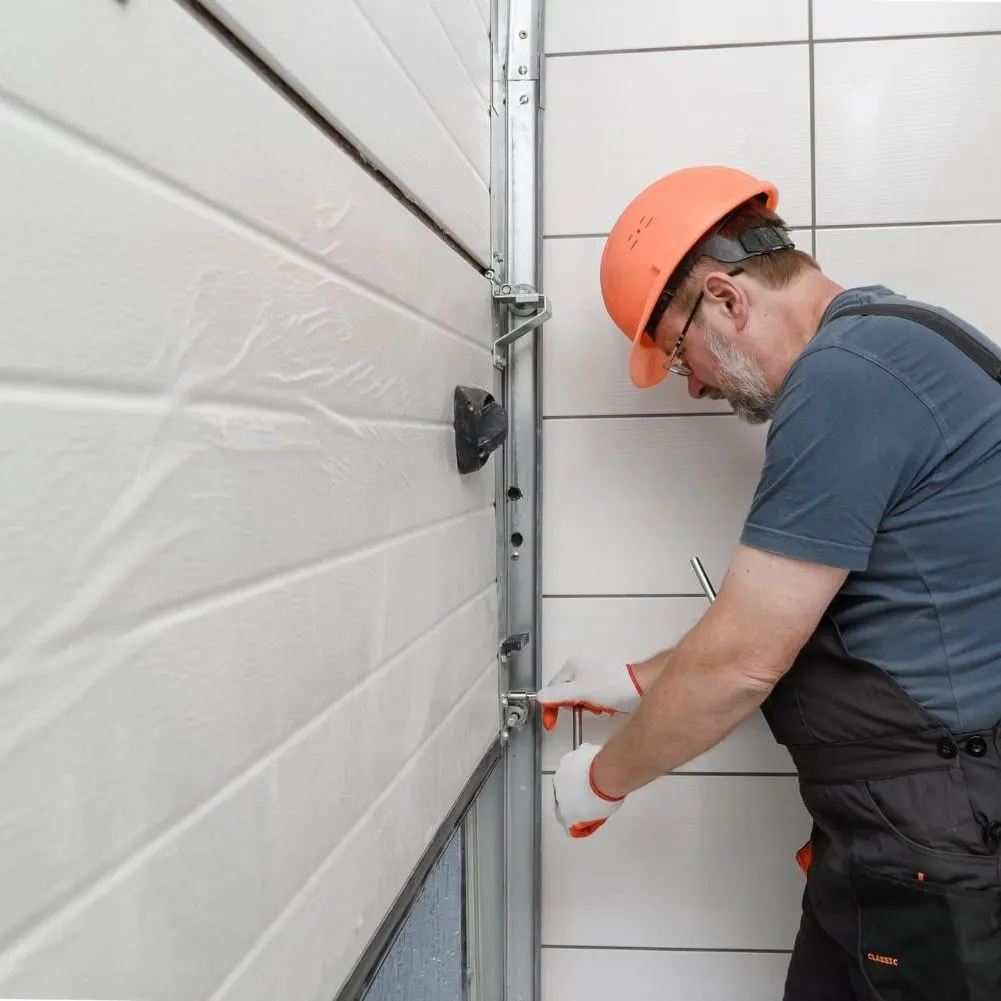
R-value is the insulation rating of the door's panel. Higher number = better insulation. The honest catch: every manufacturer measures R-value a little differently, and the number on the sticker is usually the panel's center value — not the value of the whole assembled door (which is lower because of the seams, hinges, and stile/rail framing).
Useful rough guide for KC:
- R-6 to R-9: light insulation; mostly useful for sound damping and a small comfort bump
- R-12 to R-13: a real step up; appropriate for attached garages with finished space
- R-16+: serious thermal door; appropriate for workshops, attached garages with conditioned space, or homes where energy is a hard priority
- Don't fixate on the number alone — door construction (steel sandwich vs single steel skin) matters at least as much
Doors That KC Weather Actually Punishes
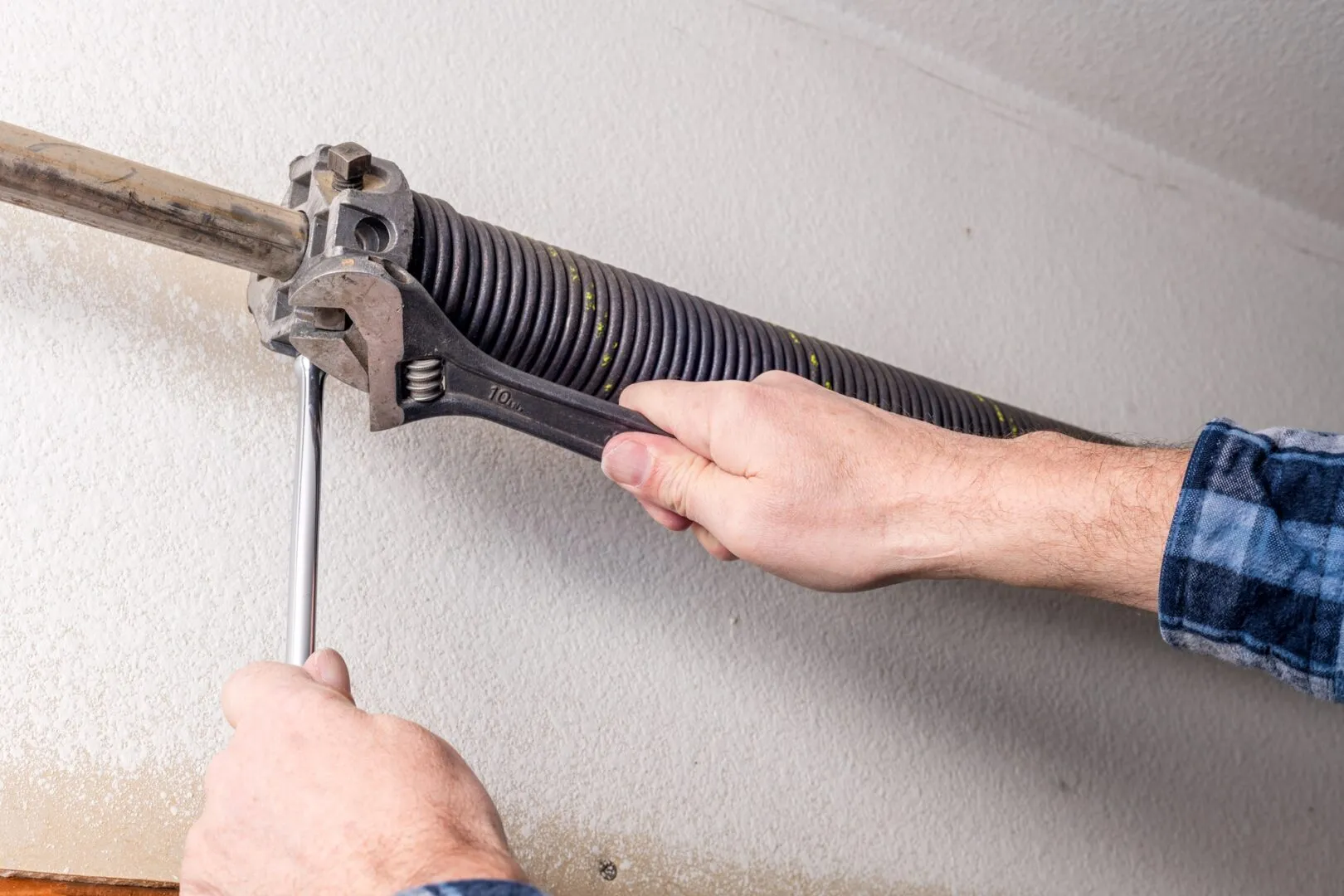
Two specific failures we see KC homes deal with more than other regions: cold-snap-induced torsion spring failures (cold metal is more brittle; springs that were already near end-of-cycle snap on the first really cold morning of the year), and weather-seal degradation from the summer-to-winter swing (the bottom rubber seal goes through 100°F+ of annual swing and it dries out, cracks, and lets drafts and water in). Neither is unique to Kansas City, but our climate punishes both faster than mild coastal climates do.

Other Things That Beat 'Buy a Pricier Door'
Before a new door, check the easy wins:
- Replace a dried, cracked bottom seal — biggest single comfort improvement on most older doors
- Add or replace side and top weather stripping where the door meets the jamb
- Insulate the garage walls/ceiling if you haven't yet (often a bigger thermal win than the door itself)
- Seal the man-door from the garage to the house — that one is often the main air-leak path
FAQ
Insulated Doors — Quick Answers
Will an insulated door save me money on utilities?
Some, but usually less than the sales material suggests — especially if the rest of the garage is uninsulated. Treat any utility savings as a bonus on top of the comfort improvement; if comfort isn't a factor for your garage, the door upgrade is harder to justify on utilities alone.
What R-value should I get for an attached garage in Kansas City?
For most attached KC garages, R-12 to R-13 hits the sweet spot. If there is finished space directly above or you spend a lot of time in the garage, R-16+ is worth the extra cost.
My door is fine but the garage is freezing in winter — what fixes that fastest?
Bottom seal first (the most common air leak), then top and side weather stripping, then insulating the walls and ceiling. The door itself is usually fourth on the list, not first.
Online Booking
Book Your Garage Door Service Online
Pick a time that works for you — residential or commercial. Prefer to talk it through? Call or text (913) 662-3939 for same-day and emergency service.