Guide - KC Garage Door Repair
Garage Door Won't Close — The Honest Checklist
A door that won't close is usually one of six things, and a careful homeowner can diagnose it without tools. Here is the order to check, what to fix, and what to leave for the tech.
A garage door that refuses to close is one of our most common service calls. The good news is the diagnosis is usually obvious once you know the pattern. Most of the time the cause is the safety sensors near the floor — and you can fix that yourself in two minutes. The other causes follow a pretty clear logic too: the opener thinks something is wrong (sensors / force / limit), or something on the door is actually wrong (spring / track / lock).
Below is the honest order to walk through, with the symptom that points to each cause. If your door is doing something dangerous (slamming, drifting closed under gravity, refusing to reverse on a 2x4), stop and call us before you do anything else.
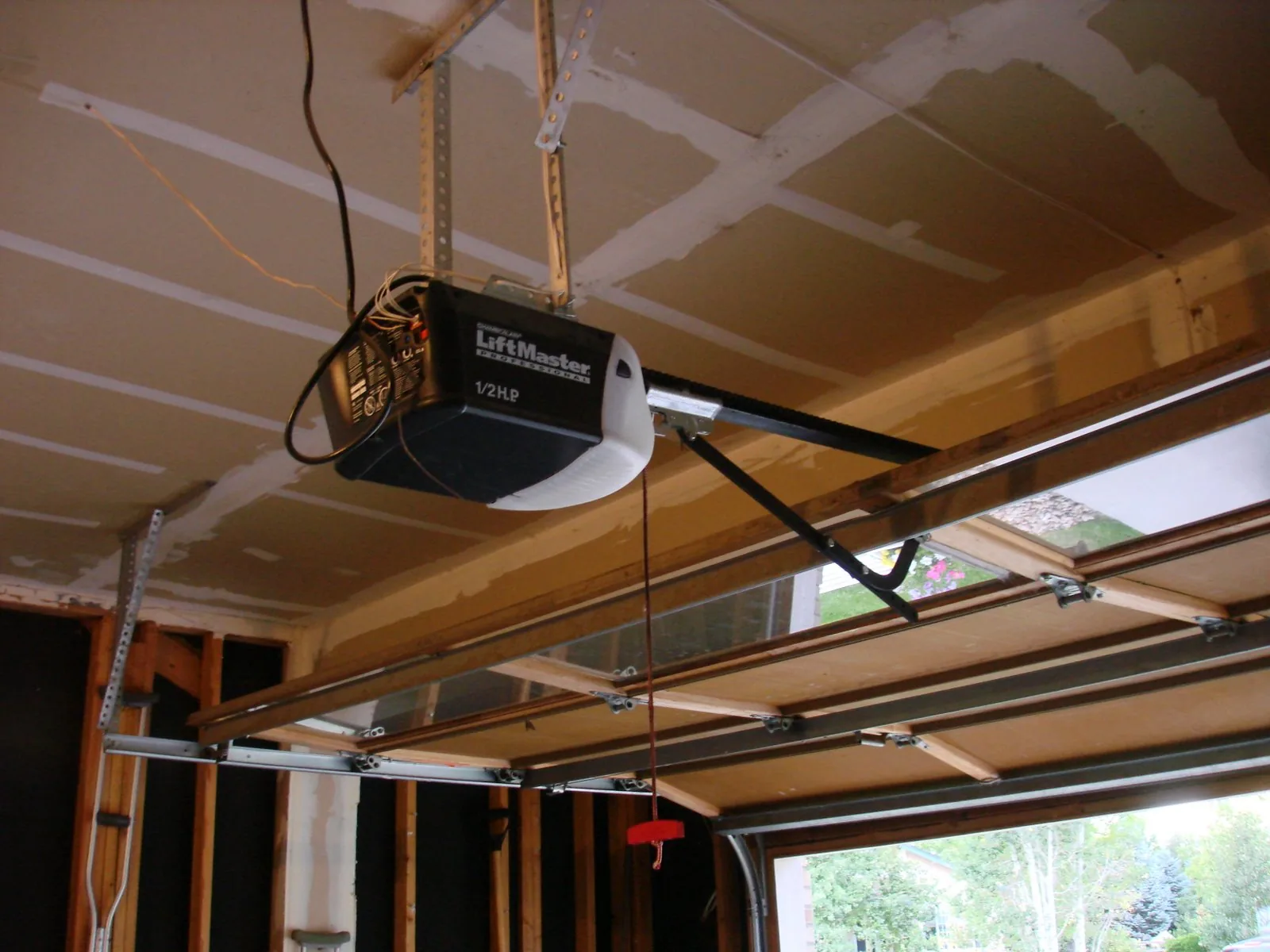
1. Photo-Eye Sensors (Most Common)
Every residential garage door opener built since the early 1990s has two photo-eye sensors near the floor on each side of the opening. If anything breaks the beam between them while the door is closing, the opener refuses to close and (usually) flashes the opener light or clicks/beeps. If you press the wall button or the remote and the door starts to close then stops and reverses — or refuses to close at all — sensors are the first thing to check.
- Confirm both sensors have a STEADY (not blinking) indicator light
- Wipe both lenses with a soft cloth (cobwebs and dust are the #1 cause)
- Look for anything in front of the sensors at floor level (bins, sports gear, a leaf pile)
- If a sensor was bumped — even a few degrees off — straighten it gently until both lights are solid

2. Opener Down-Force Setting
Every opener has a 'down-force' setting that determines how much resistance the opener will tolerate before deciding 'something is in the way' and reversing the door. If that setting is too sensitive — or something on the door is causing real mechanical resistance — the door will start closing then reverse for no obvious reason. The setting is on the opener; the adjustment is a small dial or pair of buttons depending on model. We recommend calling before changing force settings yourself — too aggressive a setting defeats the safety system.
- Symptom: door starts down, reverses partway through, opener light may flash
- Tech's job: rule out mechanical resistance first, then adjust force only if needed
- Do not crank force way up to 'force' the door closed — you disable the safety net
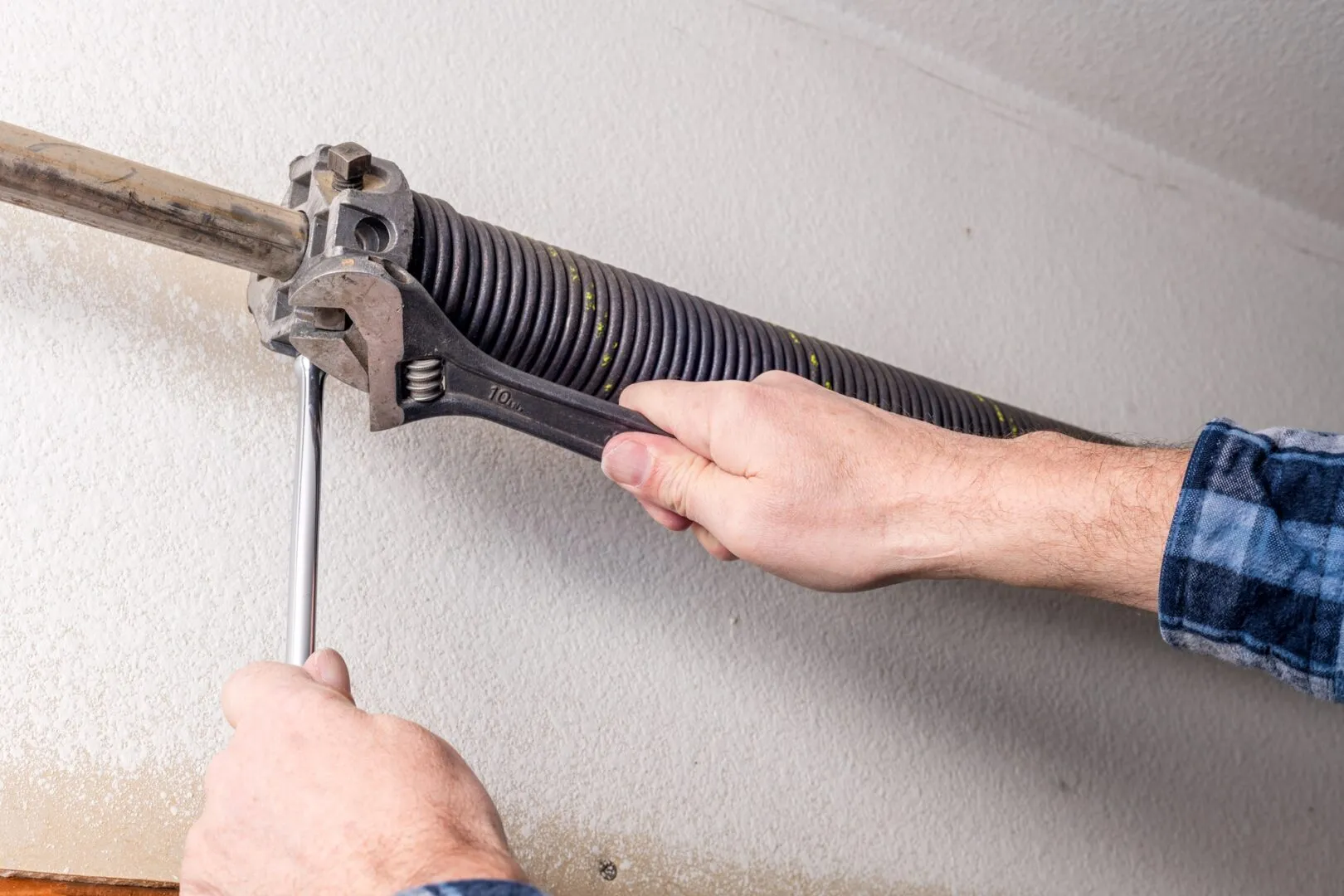
3. Broken Spring (Door Refuses, Opener Strains)
A broken torsion or extension spring removes the counterbalance the opener was designed to assist. The opener can either refuse to operate (if it can detect the load) or strain audibly and lift the door only an inch or two. The opener is not the problem — it is being asked to lift the full weight of the door, which it was not designed to do. Stop using the door. Springs are the one repair we ask homeowners not to attempt — call us.
- Symptom: loud bang earlier in the day, door now refuses or only lifts an inch
- Symptom: visible gap or twist in a torsion spring above the door
- Stop using the door — keep it closed and call (913) 662-3939

4. Opener 'Close Limit' Switch / Travel Setting
Openers have a 'close limit' that tells the motor where the door stops at the floor. If that limit drifts (or someone adjusted it), the opener may think the door has hit the floor when it hasn't (door stops short) or push past the floor and reverse (door bounces back up). The fix is a small adjustment on the opener — model-specific. We do this all the time and it is fast.
- Symptom: door stops a few inches above the floor, or starts down and reverses near the bottom
- Tech's job: re-set the close limit to the actual floor position

5. Track Obstruction or Damage
Anything in the tracks the rollers ride in will cause the door to bind. Bent track from a bumped car or a fallen tool, a roller that shattered, a hinge that came loose — any of these creates real mechanical resistance, which the opener reads as 'something in the way' and reverses. A visual scan of both tracks from inside the garage (door fully open) usually finds the problem.
- Symptom: door binds at a SPECIFIC point in its travel, not just anywhere
- Look for bent track, broken/shattered rollers, loose hinge brackets
- Tech's job: track straightening, roller swap, hinge replacement

6. Manual Lock Engaged
Sounds silly until you see it: many doors have a manual slide lock on the inside of the track (sometimes paired with an exterior key lock). If the slide lock is engaged, the opener can pull and pull but the door is mechanically locked into the track. Look at the inside of both vertical tracks — if you see a sliding bar dropped into a slot, slide it back.
- Symptom: opener motor runs, door does not move (a few inches at most)
- Check both vertical tracks for an engaged slide-lock bar
FAQ
Door Won't Close — Quick Answers
My sensors look fine but the door still won't close — now what?
Walk the door manually with the release cord pulled (door fully closed first, then lift by hand). If the door moves smoothly, the issue is opener-side (force, limit, logic board). If the door binds, drags, or slams when you let go of it, the issue is mechanical (spring, track, roller) — and you should stop and call. Both are routine for us to diagnose.
Why does my door close, hit the floor, then go back up?
Almost always the close-limit setting is set too low (opener thinks it has overrun the floor and reverses for safety) or there is a small obstacle the door is hitting at the floor (a leaf, an iced-up bottom seal in winter, a section of weather stripping curled up). Easy fixes.
The opener clicks but the door doesn't move. What is that?
The opener is trying to engage and either the motor is unable to pull (broken spring removing counterbalance) or the door is mechanically locked (slide lock engaged, frozen in winter). Stop trying to operate it — running the opener against a locked door will burn out the motor.
Online Booking
Book Your Garage Door Service Online
Pick a time that works for you — residential or commercial. Prefer to talk it through? Call or text (913) 662-3939 for same-day and emergency service.